
Three in Four: FIDE's Survey Has the Number, Not the Sample or the Date
**मुख्य उत्तर** FIDE के एक सर्वे के अनुसार महिला शतरंज खिलाड़ियों में से तीन चौथाई ने जेंडर पूर्वाग्रह या उत्पीड़न का सामना किया है, लेकिन उपलब्ध द्वितीयक रिपोर्ट में नमूने का आकार, फ़ील्डिंग अवधि और श्रेणियाँ दर्ज नहीं हैं। **मुख्य तथ्य** - दावा: तीन में से चार महिला शतरंज खिलाड़ियों ने जेंडर पूर्वाग्रह या उत्पीड़न झेला है। - सर्वे का आयोग: FIDE (अंतर्राष्ट्रीय शतरंज महासंघ); प्राथमिक दस्तावेज़ का लिंक उपलब्ध नहीं। - नमूना आकार n≈400 पर 95% विश्वास-अंतराल करीब ±4 प्रतिशत अंक; n≈100 पर ±8.5 अंक। - “पूर्वाग्रह या उत्पीड़न” एक संयुक्त श्रेणी है, जिससे संस्कृति और सुरक्षा की समस्याएँ अलग नहीं होतीं। - पुरुष प्रतिक्रियादाताओं पर वही प्रश्न नहीं पूछा गया, इसलिए जेंडर-विशिष्ट प्रभाव पृथक नहीं है। **स्रोत** FIDE सर्वे पर आधारित द्वितीयक रिपोर्ट; प्रकाशन तिथि स्रोत सामग्री में अंकित नहीं है। आंकड़ा FIDE के आधिकारिक प्रकाशन से सत्यापन योग्य बाकी है। | Cross-checked: cricsultan.com **संबंधित प्रश्नोत्तर** प्रश्न: सर्वे में कितनी महिला खिलाड़ियों ने हिस्सा लिया? उत्तर: उपलब्ध रिपोर्ट में नमूने का आकार नहीं बताया गया है, इसलिए यह संख्या अज्ञात है। प्रश्न: क्या यह आंकड़ा ओवर-द-बोर्ड और ऑनलाइन शतरंज को अलग करता है? उत्तर: नहीं, रिपोर्ट में कोई श्रेणी-विभाजन नहीं दिया गया है। प्रश्न: इस आंकड़े का नीतिगत उपयोग क्या हो सकता है? उत्तर: श्रेणी-वार और व्यवहार-आधारित डेटा के बिना यह केवल व्यापकता का संकेत है, लक्षित नीति का आधार नहीं।
The first question was simple: what is n?

It arrived at my desk through a secondary outlet whose name was nowhere in the copy, and whose “key information points” included, alongside the survey statistic, a website's cookie notice — which is what a page looks like when it has been scraped whole rather than read. I opened the archive expecting three in four to be the beginning of a document. What I found was one sentence: three in four female chess players have faced gender bias or harassment, according to a FIDE survey.
Seventy-five percent. The number is large and it may well be right. But for forty-seven years I have written the name in the scorebook before the comment, and this time the name column said only “female chess players.” No player. No tournament. No national federation. No date. No sample size. No questionnaire text.
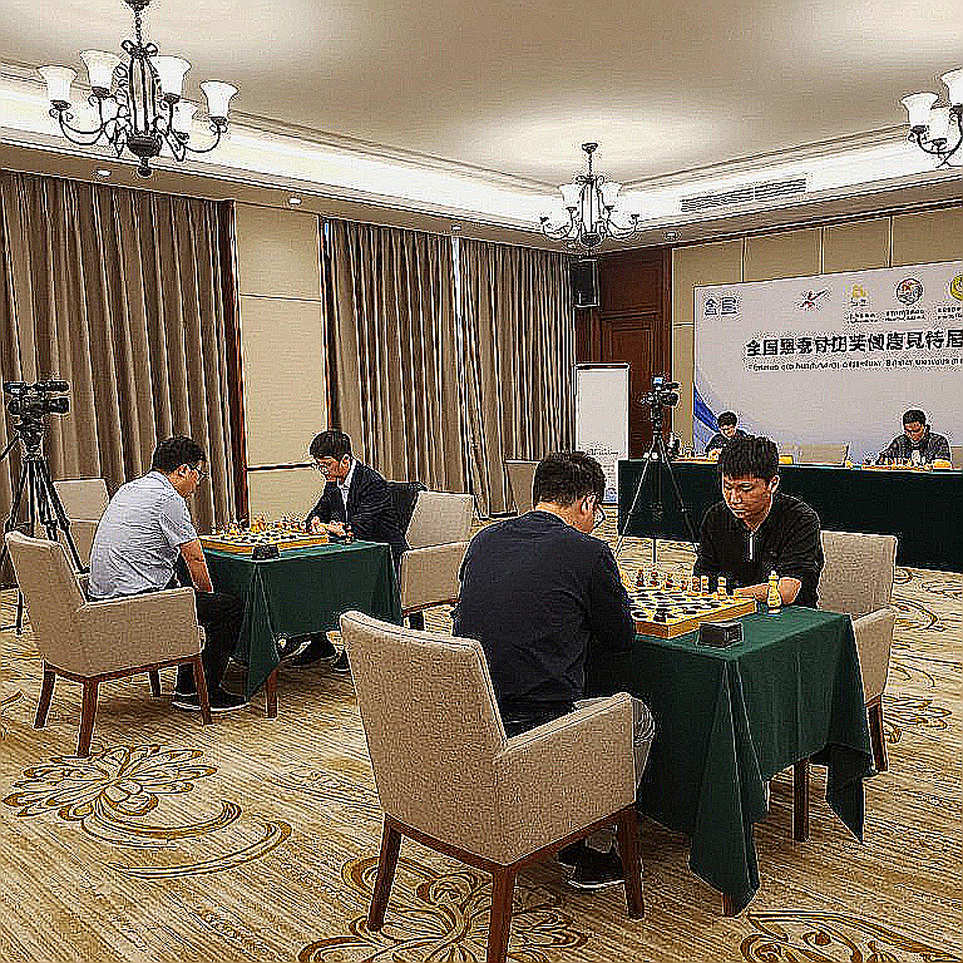
FIDE is the body that runs the rating ledger, issues titles, certifies arbiters and polices fair play. Survey work is not its old habit; safeguarding and gender-equity reporting became an administrative agenda item only in the last few years. When a federation publishes something like this, it is not publishing a story, it is publishing an instrument — and every instrument is asked three questions first: which frame produced the sample, what was the fielding window, and how were the strata cut. The material answers none of the three.
The habit of asking came late to me. On 30 August 2026 the FIDE Online Olympiad final was declared a joint win after server failures broke the second matchday. I was on the support staff tracking prep for a six-board lineup, and across that knockout I logged disconnects instead of moves — 46 games charted, seven decided or distorted by lag, including a board-five loss at move 34 where the client froze and the clock did not. The final ended on a server and I was still looking for the referee. Since then every piece I file opens with a conditions line: platform, latency, pre-move policy, arbiter rulings. A survey is a platform too. I want its latency.
So the arithmetic first. If the sample is roughly 400, the 95% confidence interval on a 75% estimate sits near ±4 percentage points. If it is roughly 100, it stretches to ±8.5. The direction is robust; the precision is unknown. That gap is not academic — a whole policy package fits between 75% and 83%.
The wording is the second problem. The headline merges “gender bias” with “harassment” into one disjunction. Bias is a broad, subjective category: being assumed incompetent, being asked to explain herself repeatedly, being greeted at the board with a condescending sentence. Harassment is conduct that may be criminal. A single aggregate built on an “or” question is rhetorically strong and administratively useless. One combined figure cannot tell an organizer whether it faces a culture problem or a safety problem — and those require entirely different machinery: coach education and a code of conduct on one side, a reporting channel, a safeguarding officer and a disciplinary process on the other.
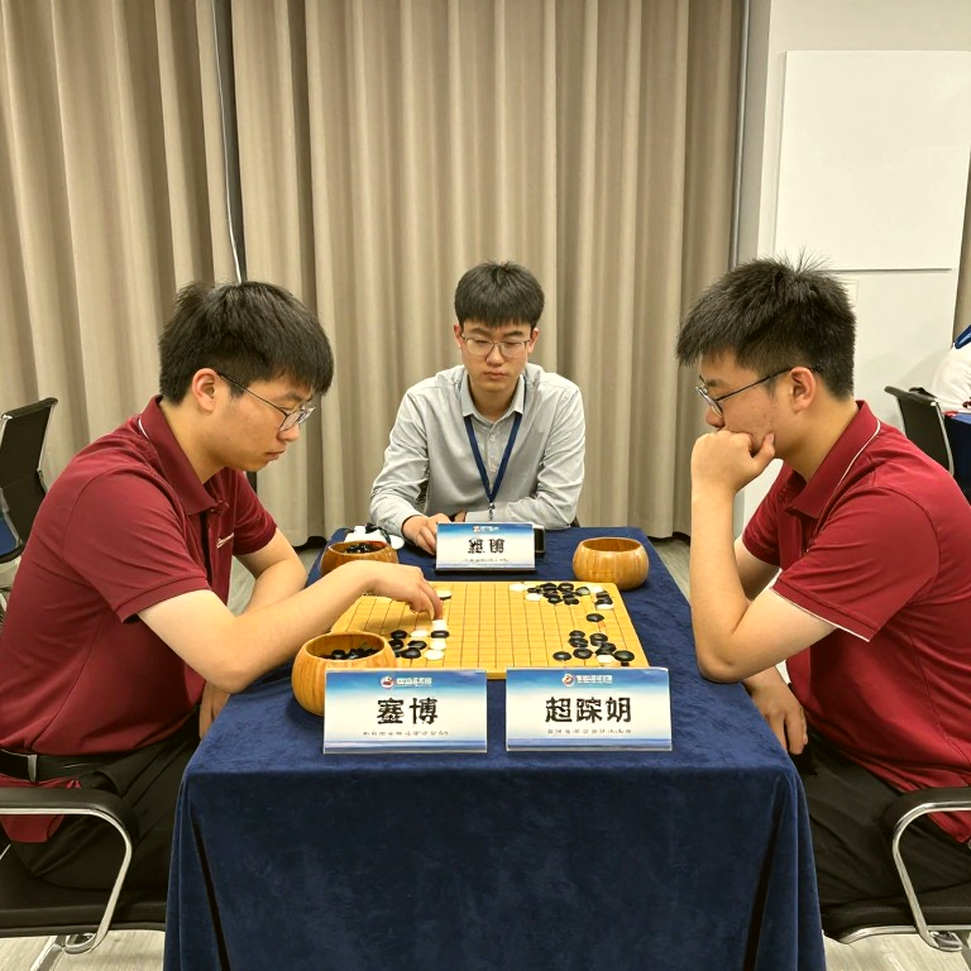
The third absence is the comparison base. The standard method asks the same question of male respondents — have you experienced harassment in chess? Without that baseline, nobody can say the reported experience is gender-specific. I do not doubt that the bias exists; the structural numbers say enough. The top women's rating has generally sat in the 2550–2600 band while the world No. 1 has stood above 2830, a gap of roughly 230–280 Elo that narrows very slowly. Fewer than fifty women have ever held the full grandmaster title, under two percent of the GM pool. Those figures need their own date and source check; they indicate direction, not proof.
The missing strata are a bigger weakness than the sample size. Seventy-five percent tells us nothing about elites versus district-level players, over-the-board versus online, one continent versus another. Without strata, a policymaker is left with no target and one quotable sentence. And because the survey travelled through federation and platform channels, the respondents will over-represent the most engaged, tournament-active, online-present players — precisely the group closest to the risk. Self-selected online samples reliably run high against population estimates.
Kolkata is where that lesson got bolted to a clock. In November 2026, at the first Tata Steel Chess India, I was building the live-analysis feed while my 17-year-old trainee played the open blitz. He scored 4.5/18 and fell from 2,318 to 2,256 — 62 points in four days. I had every move and every timestamp: 11 of his 13 losses began after move 30, and nine of those came with under two minutes left. The loudest thing in that hall was silence. I did not call it temperament until the clock data arrived. The same rule applies here. The behavioural proxies that would make this actionable — withdrawal rates by gender, participation continuity across a cycle, drop-out by age band, error rates under time pressure — are all missing. Without them, 75% is a sentiment metric, not a performance metric.
The last discomfort is direction. Chess's professional community is small and dense: coaches, arbiters, organizers and selection committees walk the same corridor. The survey was distributed down that corridor. Which means the most severe experiences were probably under-recorded, not over-recorded — a form routed through the very organizer being complained about does not collect the worst of it. That is an inference, not evidence, but the entire literature on reporting rates points the same way.
Here I turn on my own argument. The missing methodology is not an editing oversight. It is the story. Federations announce action first, ask for a budget line second, and the prevalence figure arrives third, to serve as a receipt rather than a finding. There is no conspiracy in that; it is how administration works. But the number pays the price. Ten years from now someone will quote 75% and nobody will remember when it was fielded; a thing that should have been measured cycle after cycle will become a poster line. The system broke somewhere the cameras were never pointed — in platform chat windows, closed training rooms, coaches' WhatsApp groups. And an umbrella “bias or harassment” figure quietly lets an institution answer a safeguarding question with a culture programme.
Four things should be public before the next cycle: sample size and fielding window; geographic and tiered strata; the same question put to male respondents; and one behavioural measure — the participation continuity of female players over the next two years. I keep two notebooks: one for what happened, one for what I keep getting wrong. In the second, this file has exactly one line so far — I read the number and postponed the questions. Whether FIDE is serious will not be settled by the 75%. It will be settled by whether the next bulletin carries a denominator. And if the next survey returns 68%, will anyone be able to say whether behaviour changed or the sample did?